This British History Podcast Tells the Story of Timekeeping
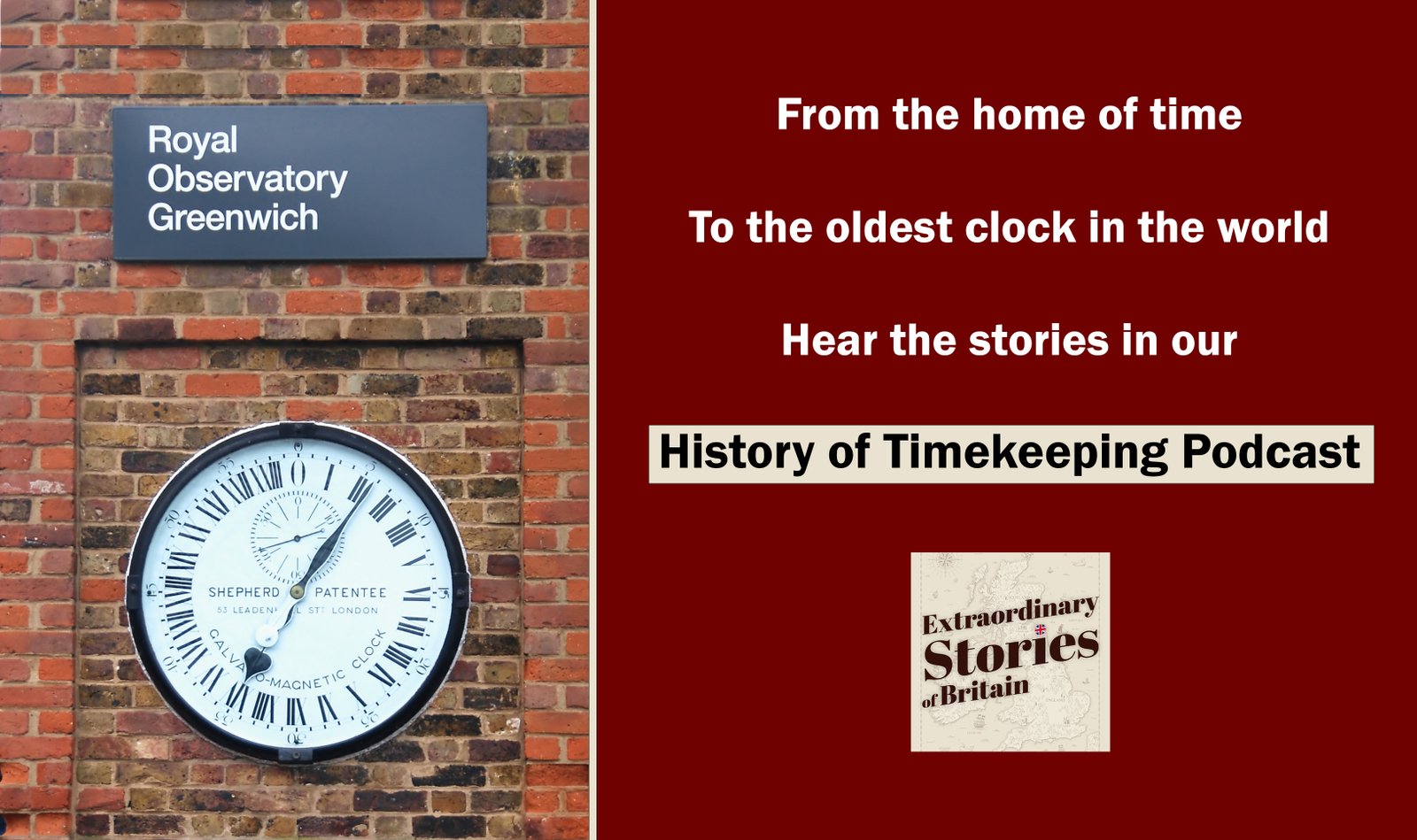
From Stonehenge to Greenwich, Celtic seasons to Roman calendars, candle clocks to knocker-uppers, this podcast explores how language, industry, and technology shaped the way we measure every moment.
Discovering Ancient Timekeeping
Let’s dive into how Stonehenge catches the midsummer sun. This ancient site transforms stones into a cosmic clock. The Celts divided the year into light and dark, marking key moments with fire, harvest, and ritual.
The Romans contributed to our understanding of time. They gave us months, leap years, and names that still dominate our calendars. Yet, their hours fluctuated with the seasons. Isn't it fascinating how timekeeping evolved?
The Candle Clock and Monastic Influence
Imagine a famous English king inventing the candle clock. Monks introduced the concept of “midday.” The world’s oldest working mechanical clock still ticks away in an English cathedral. Picture the first great tower bells ringing across towns, uniting communities with a shared rhythm.
John Harrison and the Longitude Problem
Sail with John Harrison, a Yorkshire carpenter turned clockmaker. He solved the “longitude problem” with his chronometer. This invention saved lives, opened oceans, and helped build an empire. What a remarkable achievement!
The Calendar Controversy of 1752
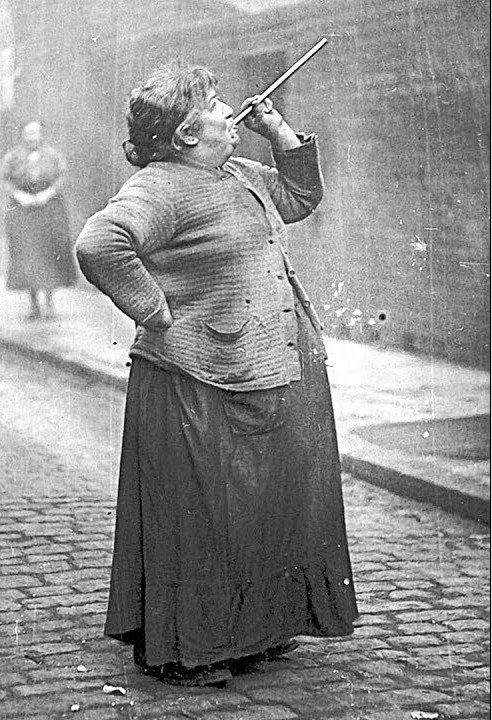
Step into 1752, when Britain abruptly cut eleven days from September. This decision sparked fury and riots in the streets. Can you imagine the chaos? Then, we enter the industrial age. Railways demanded a national time system. Bristol and Oxford clung to their own minutes. Meanwhile, bleary-eyed workers were roused by “knocker-uppers,” who tapped windows with sticks or even fired peas at the glass.
The Evolution of Timekeeping
Timekeeping has come a long way. From ancient stones to intricate clocks, each development reflects our relationship with time. We’ve gone from observing celestial movements to relying on precise instruments.
The Impact of Industrialization
The industrial revolution transformed how we viewed time. Factories operated on strict schedules. Workers had to adapt to the rhythm of machines. This shift changed our daily lives.
Modern Timekeeping
Today, we rely on technology for timekeeping. Smartphones, smartwatches, and digital clocks dominate our lives. But the essence of time remains the same. We still measure moments, celebrate milestones, and mark the passage of time.
Conclusion
Timekeeping is more than just numbers on a clock. It’s a reflection of our history and culture. Each tick and tock tells a story. So, how do you measure your moments?
Listen here