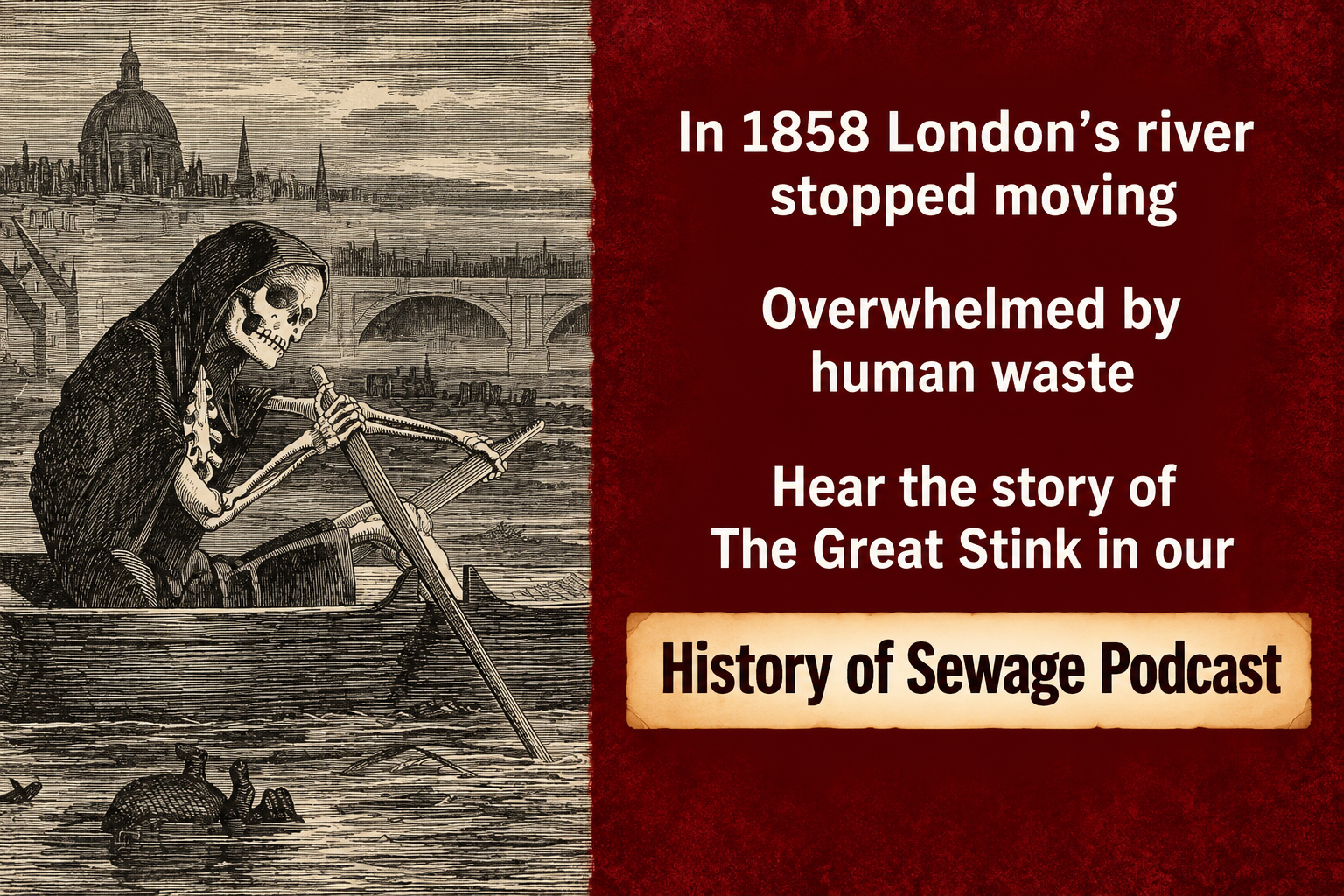
The History of Sewerage British History Podcast
The story starts with a visit to communal toilets at the Housesteads Roman Fort - known in as Vercovicium. These are the finest preserved latrines from ancient Britain. The Romans had no toilet paper, so find out how they wiped their backsides. Some used sponges, others used gravel.
The Greek writer Aristophanes includes a reference to the bum scraping stones.
Before the invention of modern chemicals, urine was an important commodity. Used for tanning, clothes cleaning and even teeth whitening. One Roman emperor even put a tax on urine.
In 1080 the newly built White Tower building at the Tower of London was fitted out with state of the art toilets, private cubicles, with wooden seats. Known as guarderobes, from the French - meaning clothes protector.
But for ordinary people there were no posh toilets. York installed a public toilet on a bridge in the 1400s. But the woman who was responsible for keeping it clean had to contend with rowdy customers.
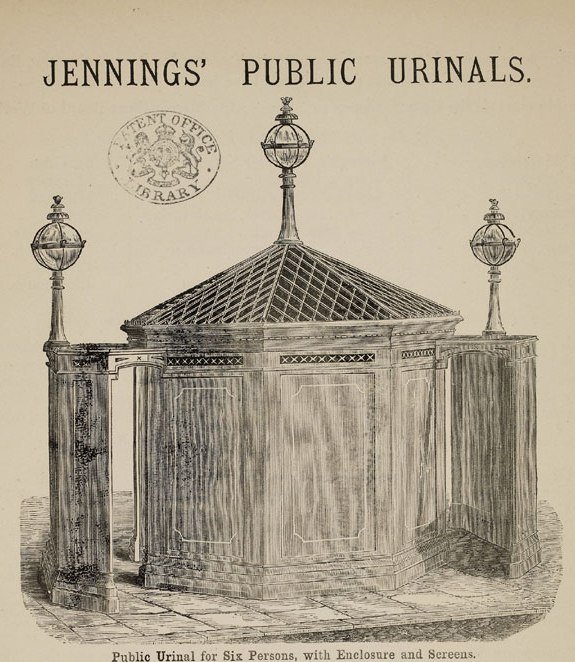
In London, Mayor Richard Whittington built a superloo on the Walbrook. It was Britain’s first sex segregated public toilet.
John Harrington British HIstory Podcast
A few hundred yards from the Walbrook, the river Fleet was also causing a stink - with sewage and human excrement blocking the tributary. So much so that in 1612 Ben Jonson wrote a mock epic poem to the Fleet. And in Covent Garden, Maiden lane was a giant midden - or dung heap.
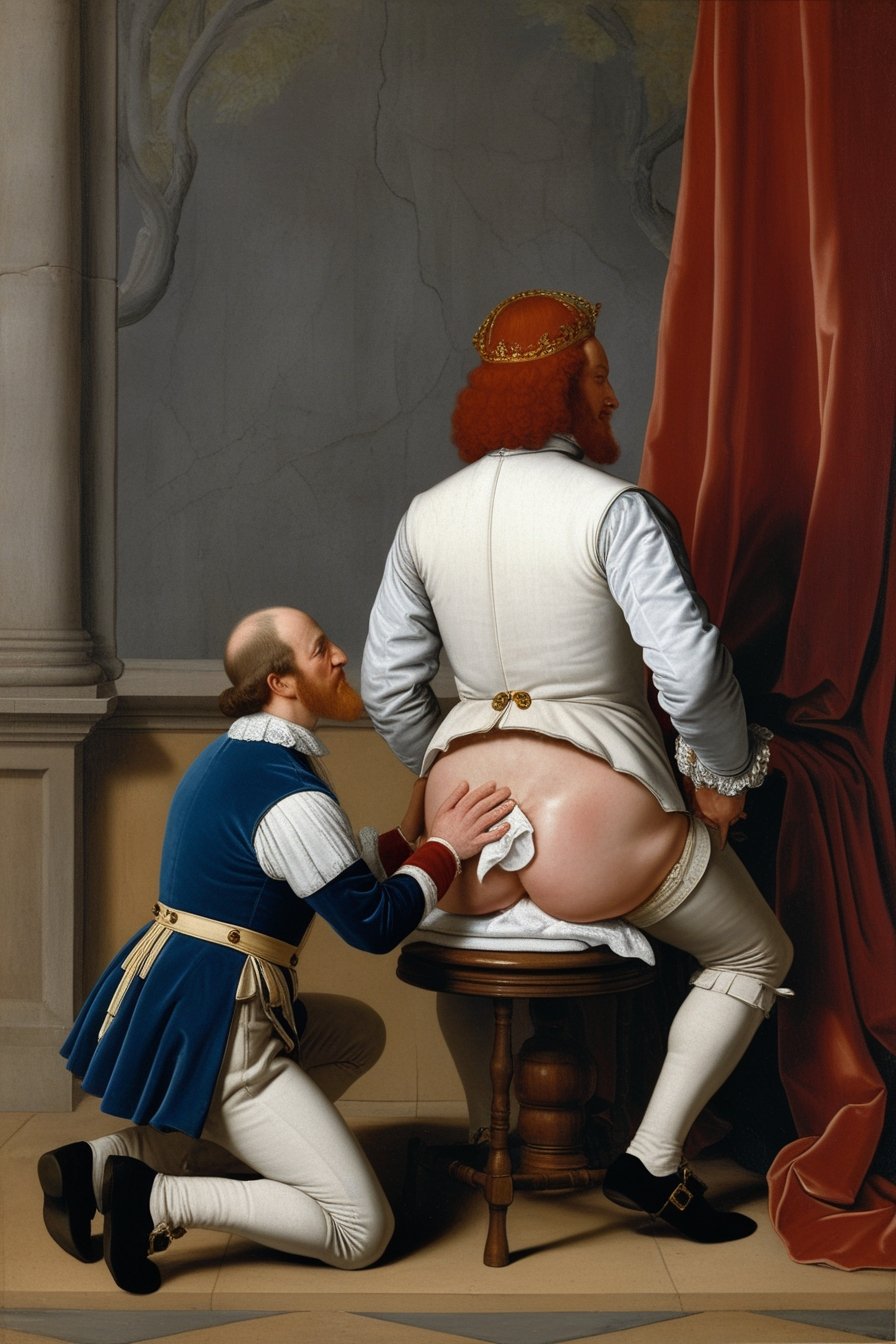
Hear about the horrible task assigned to the Royal Groom of the Stool. And how Sir Thomas Hennage took care of Henry VIII bowel movements. What happened when a courtier farted in the presense of Queen Elizabeth I. Find out how her courtier John Harrington invented the first flushing toilet.
And discover which British King died on his closed stool.
history of sewerage british history podcast
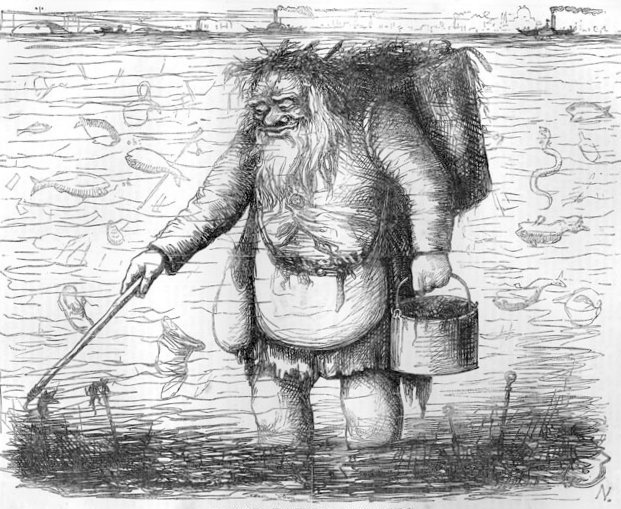
Hear about the life of the Gong Farmer, the worst job in history. Or maybe not. The Victorian pure finders made a living collecting dog dirt.
Listen here
Back to the podcasts